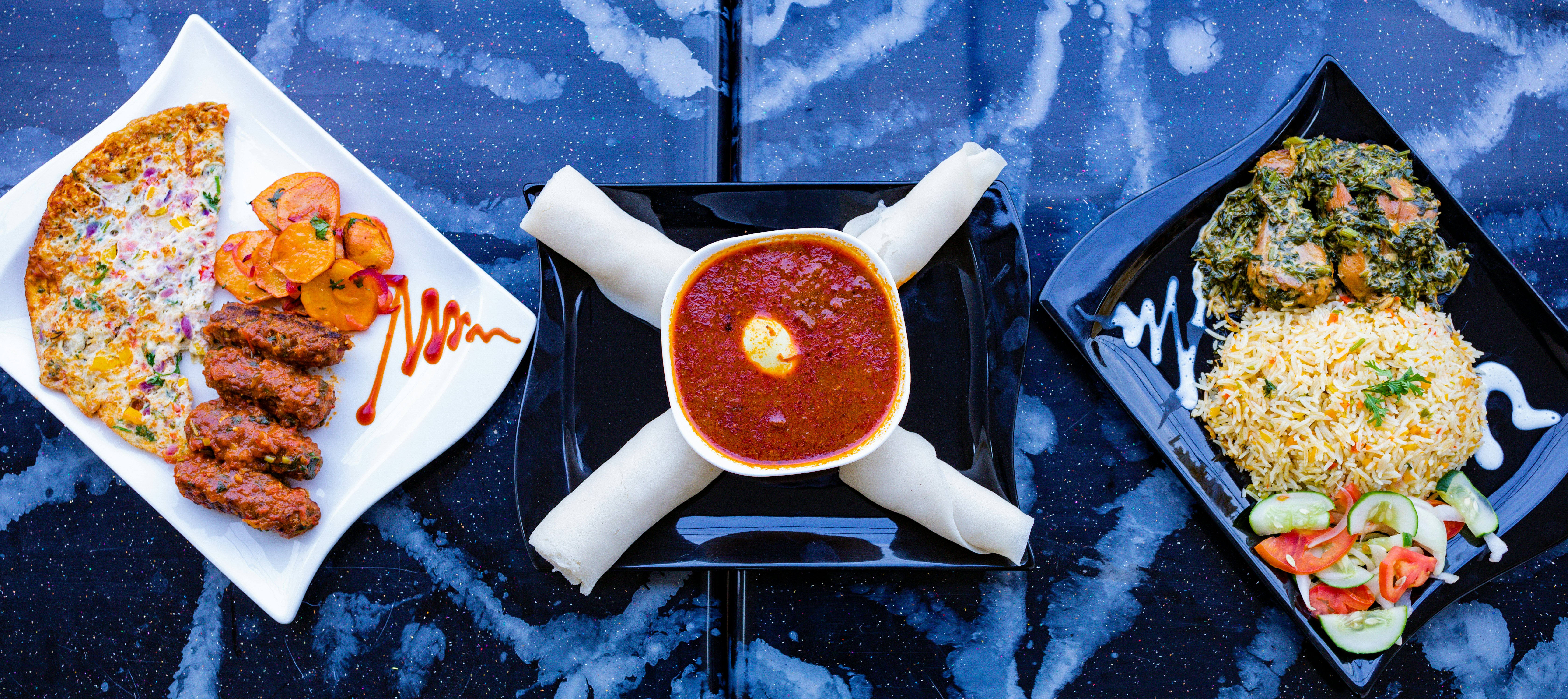
Introduction to Culinary Exploration
The journey of discovering new meals is an exhilarating venture that transcends the mere act of eating. Culinary exploration invites individuals to embrace the diverse flavors and cultural significance of dishes from around the globe. Each cuisine tells a story rooted in tradition, history, and the communal experiences of communities, offering an opportunity to appreciate food’s role in shaping identities and relationships.
Exploring different cuisines is not merely about savoring new flavors; it is an invaluable opportunity for personal growth and cultural appreciation. As people venture beyond their familiar culinary landscapes, they are exposed to a variety of ingredients, cooking techniques, and flavor profiles. This adventure opens up avenues for endless experimentation in one’s own kitchen, encouraging culinary creativity and broadening palates. The delights of aromatic spices in Indian curries or the delicate subtleties of Japanese sushi exemplify how diverse culinary practices can ignite passion for cooking and dining.
The excitement of finding a new favorite dish is unparalleled. It can spark memories tied to a certain meal shared with friends or family, or evoke feelings of nostalgia linked to one’s cultural heritage. The first bite of a dish may transport individuals to another place, enriching their dining experience further. Participating in culinary adventures fosters not only a sense of adventure but also nurtures connections with others through shared meals and communal dining experiences.
Overall, the act of trying new meals is a celebration of the rich tapestry of world cultures. It nurtures curiosity and appreciation for the culinary arts while transforming mundane meals into meaningful rituals. Through the exploration of various cuisines, one can discover joys, friendships, and even a newfound appreciation for diverse culinary traditions.
Understanding Your Taste Preferences
Understanding your taste preferences is crucial for enhancing your culinary experiences. Taste is inherently subjective and varies widely among individuals, as it is influenced by personal experiences, cultural backgrounds, and even genetic factors. There are four primary taste profiles: sweet, savory (umami), spicy, and sour. Identifying which of these flavors appeal to you can significantly guide your meal discovery process.
Sweet flavors tend to be comforting and indulgent, often associated with desserts and certain fruits. Savory tastes, characterized by depth and richness, are commonly found in meats, broths, and fermented foods. Spicy profiles, often derived from ingredients like chili peppers, can add excitement and a kick to your meals. Lastly, sour flavors, which can come from citrus fruits or vinegar, provide a refreshing contrast that can balance richer dishes.
To explore your own taste preferences, consider keeping a food journal. Document dishes you enjoy, the flavors that stand out to you, and those you’d rather avoid. This self-awareness will shape your future culinary endeavors and help you navigate the vast world of cuisine more effectively.
Another helpful technique is to organize taste-testing sessions with friends or family. Prepare a variety of dishes that feature different flavor profiles and share your thoughts on each. This social interaction not only enhances your culinary knowledge but also introduces you to new tastes that you might enjoy. Incorporating flavors you might not typically gravitate towards can broaden your palate and lead to delightful surprises.
Ultimately, understanding your taste preferences is a fundamental step in your culinary journey. By becoming more attuned to the flavors you love, you can make more informed choices that will lead to discovering your next favorite meal.
Exploring Different Cuisines
The world of culinary delights is as vast as it is diverse, encompassing a multitude of cuisines that reflect the culture, history, and geography of their respective regions. Each cuisine offers a unique array of flavors, ingredients, and cooking techniques that can elevate any meal to new heights. By exploring different cuisines, food enthusiasts can not only discover new favorites but also develop a deeper appreciation for global culinary traditions.
Among the most popular cuisines is Italian, renowned for its rich flavors and emphasis on quality ingredients. Staples such as pasta, olive oil, and fresh herbs create heartwarming dishes that resonate with many. Meanwhile, the vibrant spices of Indian cuisine transform common meals into aromatic adventures, with dishes like curry and biryani showcasing a medley of unique and exotic ingredients. Similarly, Mexican cuisine captivates with its bold flavors, incorporating ingredients like corn, beans, and chili peppers to create tantalizing salsas and hearty tacos.
Exploring lesser-known cuisines can be equally rewarding. For instance, Ethiopian cuisine is characterized by its communal dining style and the use of injera, a fermented flatbread that serves as both a plate and utensil. Central Asian dishes often include aromatic spices and richly flavored meats, while Scandinavian cuisine showcases fresh seafood and foraged ingredients, emphasizing sustainability and seasonality.
To embark on a culinary adventure, consider experimenting with ingredients that may be outside your comfort zone. For example, try incorporating unique spices like za’atar from Middle Eastern cuisine or gochujang from Korean dishes into your cooking. By adopting traditional cooking methods, such as slow braising or fermented preparation techniques, culinary enthusiasts can bring authenticity to their meals. Embracing these diverse cuisines allows individuals to not only enjoy new and exciting flavors but also gain insights into the cultural significance behind each dish, fostering a connection to the global community.
Utilizing Food Blogs and Recipe Sites
In the contemporary culinary landscape, food blogs and recipe websites have emerged as indispensable resources for meal inspiration. These platforms provide a wealth of information, from diverse cuisines to innovative cooking methods, allowing home cooks to explore countless options. The availability of user-generated content ensures a dynamic range of recipes, appealing to various tastes and dietary restrictions. However, navigating this vast ocean of culinary resources requires a strategic approach to ensure reliability and quality.
When seeking out food blogs and recipe websites, it is prudent to look for established sources with a proven track record. Renowned food bloggers often share their personal experiences along with their recipes, adding a unique touch that builds trust with their audience. Furthermore, it is essential to check for credible credentials, such as culinary training or professional writing experience, which can indicate the reliability of the content. Reviews and reader comments can also serve as valuable indicators of a recipe’s success rate.
Utilizing search filters can significantly enhance your experience when browsing for recipes. Many websites offer categories based on cuisine type, cooking method, dietary restriction, or meal type. These filters enable users to tailor their searching process, making it easier to find what aligns with their culinary desires. Additionally, taking advantage of seasonal or trending tags can keep your meals fresh and exciting, encouraging experimentation in the kitchen.
Following a select group of reputable food bloggers is another effective strategy for meal inspiration. These individuals often share not only recipes but also cooking tips, kitchen gadgets, and food photography that can ignite creativity. By subscribing to their updates, you can stay informed about new posts and trending recipes, paving the way for your next favorite meal.
Experimenting in the Kitchen
The kitchen serves as a hub of creativity and exploration, providing an excellent opportunity for individuals to dive into a culinary adventure. Experimenting with cooking not only enhances skills but also invites a plethora of flavors and textures into everyday meals. Engaging with recipes and allowing oneself to deviate from traditional methods can lead to the discovery of new favorite dishes. Trying new recipes is an essential step for anyone looking to expand their culinary repertoire. Each recipe offers not just a set of instructions but also the foundation in which individuals can express their personal tastes and preferences.
Furthermore, substituting ingredients is a crucial aspect of experimentation. Cooks may find themselves short on specific components or simply curious to modify flavors. For example, swapping out a protein source or incorporating seasonal vegetables can entirely alter a dish, creating variations that can surprise the palate. This kind of adaptability not only makes cooking more manageable but also encourages the utilization of fresh and available ingredients, further enriching the culinary experience.
Another important element is adjusting spices. The balance of seasoning can dramatically change the outcome of any dish. By gradually adding spices, one can develop a better understanding of how they affect flavors. Moreover, this process allows home cooks to personalize their meals according to individual tastes, which is particularly beneficial for those who may identify with specific dietary preferences or restrictions.
In essence, the kitchen should be viewed as a playground for flavor experimentation. Embracing the art of cooking—trying new recipes, substituting ingredients, and adjusting spices—invites a fulfilling journey in the culinary world. Each dish presents an opportunity for growth, learning, and, ultimately, the chance to discover one’s next favorite meal.
Dining Out and Trying New Restaurants
Dining out offers a remarkable opportunity to embark on a culinary adventure that can lead to discovering new meals and flavors. The excitement of exploring local restaurants not only provides a break from routine cooking but also introduces you to diverse cuisines and unique dishes that you may not encounter elsewhere. The thrill lies in the unanticipated experiences that come with each new dining experience.
One effective strategy for finding local restaurants that offer distinctive meals is to leverage technology. Mobile applications and websites have become essential tools for food enthusiasts. Platforms such as Yelp, TripAdvisor, and Zomato allow users to read reviews, access menus, and even view photos of dishes from local eateries. This insight can help guide your decision-making process, ensuring that you choose venues known for their exceptional culinary offerings.
Additionally, consider seeking recommendations from your social circle or online communities. Friends, family, or even social media groups dedicated to food can provide invaluable insights into where to dine. Often, people share their favorite hidden gems that might not be as well-known, but serve delightful and unique meals. This personal touch can enhance your dining experience significantly.
Once you arrive at a restaurant, don’t hesitate to ask your server for suggestions. Staff members generally possess a deep knowledge of the menu and can recommend dishes that showcase the restaurant’s specialties or highlight seasonal ingredients. It’s also beneficial to inquire about any unique preparations or chef’s specialties that may not be widely advertised. Engaging with your server not only enriches the dining experience but may also lead you to discover your next favorite meal.
Joining Cooking Classes or Food Events
Engaging in cooking classes and food events can significantly enrich your culinary journey. These interactive experiences offer an excellent opportunity to learn from skilled chefs, explore diverse cuisines, and hone your cooking techniques. Many cooking schools and culinary institutes provide classes tailored to various skill levels, whether you are a novice seeking to build a foundational understanding of the kitchen or an experienced cook looking to refine your skills further.
During these classes, participants often have the chance to work hands-on with fresh ingredients and utensils, fostering an environment of creativity and experimentation. This experiential learning not only enhances your cooking prowess but also introduces you to unique flavor combinations and cooking methods you may not have encountered otherwise. As you stir, sauté, and bake alongside a professional chef, you gain invaluable insights into the subtleties of seasoning and presentation, transforming your understanding of each dish.
Moreover, cooking classes and food events serve as an excellent platform for connecting with fellow food enthusiasts. Sharing your culinary experiences and tasting adventures with like-minded individuals can lead to friendships and networking opportunities that extend beyond the kitchen. Whether you attend a local food festival, participate in a tasting event, or join a cooking workshop, the sense of community and shared passion for gastronomy can be incredibly rewarding.
Ultimately, participating in these hands-on experiences not only broadens your culinary repertoire but also ignites a newfound enthusiasm for cooking. Each class or event you attend is another step on your culinary adventure, paving the way for discovering new flavors and techniques that might soon become your next favorite meal.
Keeping a Food Journal
Maintaining a food journal can be an enlightening practice for anyone seeking to elevate their culinary experiences. This method not only enhances one’s engagement with food but also serves as a personal record of meals that have been enjoyed, providing a valuable reference for future culinary adventures. By documenting meals, individuals can track their favorite dishes, noting what flavors and ingredients resonated with them, which effectively aids in discovering new favorites.
A food journal allows for the thoughtful reflection of each meal. When one takes the time to write down the details of what was prepared and how it was experienced, it becomes easier to evaluate what worked well and what did not. For instance, if a particular recipe was altered to accommodate dietary preferences or a new cooking method was employed, these reflections can inform future endeavors. Over time, this practice fosters a deeper understanding of personal taste and preferences, guiding choices when experimenting with new recipes.
Moreover, a food journal serves as a personalized archive of culinary experiences. For those interested in food exploration, having a catalog of past meals, including successes and failures, can be immensely helpful. This archive can be revisited for inspiration, allowing one to recreate cherished dishes or modify them based on previous notes. Additionally, by incorporating sensory details such as textures, aromas, and even the ambiance in which the meal was enjoyed, individuals create a richer narrative surrounding their food experiences.
In essence, keeping a food journal elevates the meal preparation and consumption process into a meaningful practice. It encourages mindfulness around food choices while enriching the appreciation of flavors and traditions. In this way, documenting meals becomes not just an act of keeping track but a journey through a diverse culinary landscape that invites exploration and discovery at every turn.
Embracing Failure and Staying Open-Minded
In the journey of discovering your next favorite meal, it is imperative to understand that not every culinary experiment will yield a successful outcome. Cooking, much like any other creative endeavor, is subject to trial and error. The excitement of experimenting with new ingredients and flavors may often lead to unexpected results, some of which may not align with our personal palate. However, it is crucial to embrace these failures as inherent aspects of the culinary exploration process.
Each unsuccessful attempt carries valuable lessons that can foster growth and proficiency in the kitchen. A dish that did not turn out as intended might reveal insights about ingredient compatibility, cooking techniques, or even seasonal variations. By analyzing what went awry, one can develop a greater understanding of the culinary arts. This mindset encourages resilience and perseverance, transforming setbacks into stepping stones toward success.
Moreover, staying open-minded while exploring diverse cuisines can significantly enhance one’s culinary repertoire. Embracing a wide array of flavors and unfamiliar ingredients can lead to delightful surprises. It is essential to approach each new recipe or ingredient with curiosity rather than apprehension, as this attitude often acts as a catalyst for discovering exhilarating combinations. Trying unconventional pairings or lesser-known methods can unlock a world of taste that might otherwise remain unexplored.
Ultimately, the key to a successful culinary adventure is the willingness to learn from both successes and failures. By maintaining an open mind and viewing every experiment as an opportunity for growth, individuals can cultivate a more profound relationship with food. Embracing failure, rather than fearing it, can lead to a fulfilling exploration of flavors and dishes that may soon become a beloved staple in one’s culinary journey.